Alcoholic Reactions
Alcohol Base
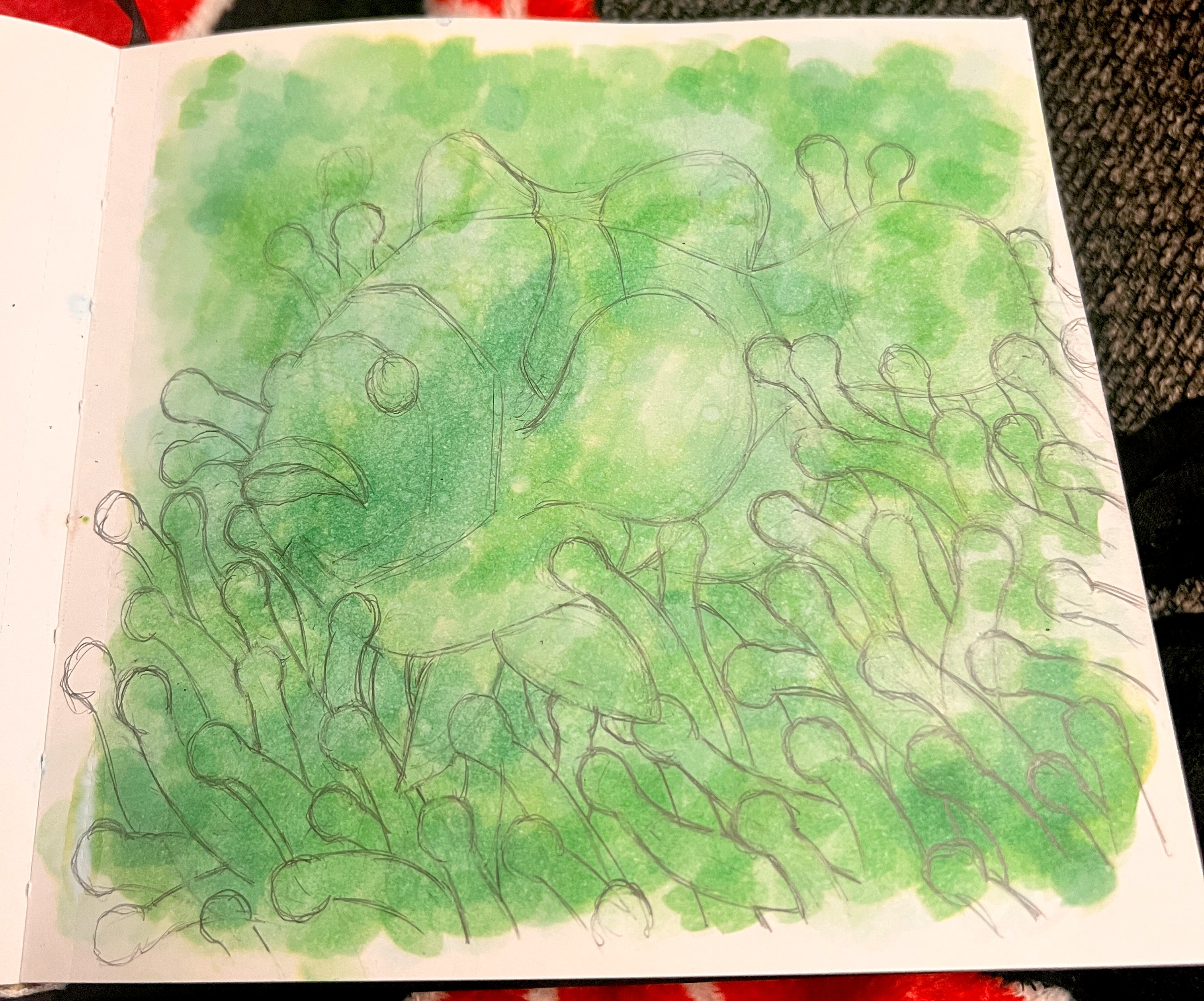
The What
An alcohol base means I’ve sprayed the paper with a liberal layer of isopropyl alcohol.
I find this works best when using alcohol markers like Ohuhu Honolulu Alcohol Markers vs mediums like Dr. Ph Martin’s Bombay India ink and Liquitex Acrylic ink, which tend to have more explosive reactions when in contact with rubbing alcohol. The inks are far more repelled by the alcohol base.
That being said, the alcohol markers are also pretty repelled, and will sit on the surface of alcohol puddles. As they dry, the ink spreads and sets into the paper.
After doing some random tests, I use exclusively use 99% isopropyl alcohol if possible. Anything lower (including 90%), wrinkles paper. The 99% is the only one that doesn’t wrinkle my paper. I’m sure there’s science there to explain why. The only problem is that it dries really fast, which means I need a puddle of it in order to have enough time to work with.
The Why
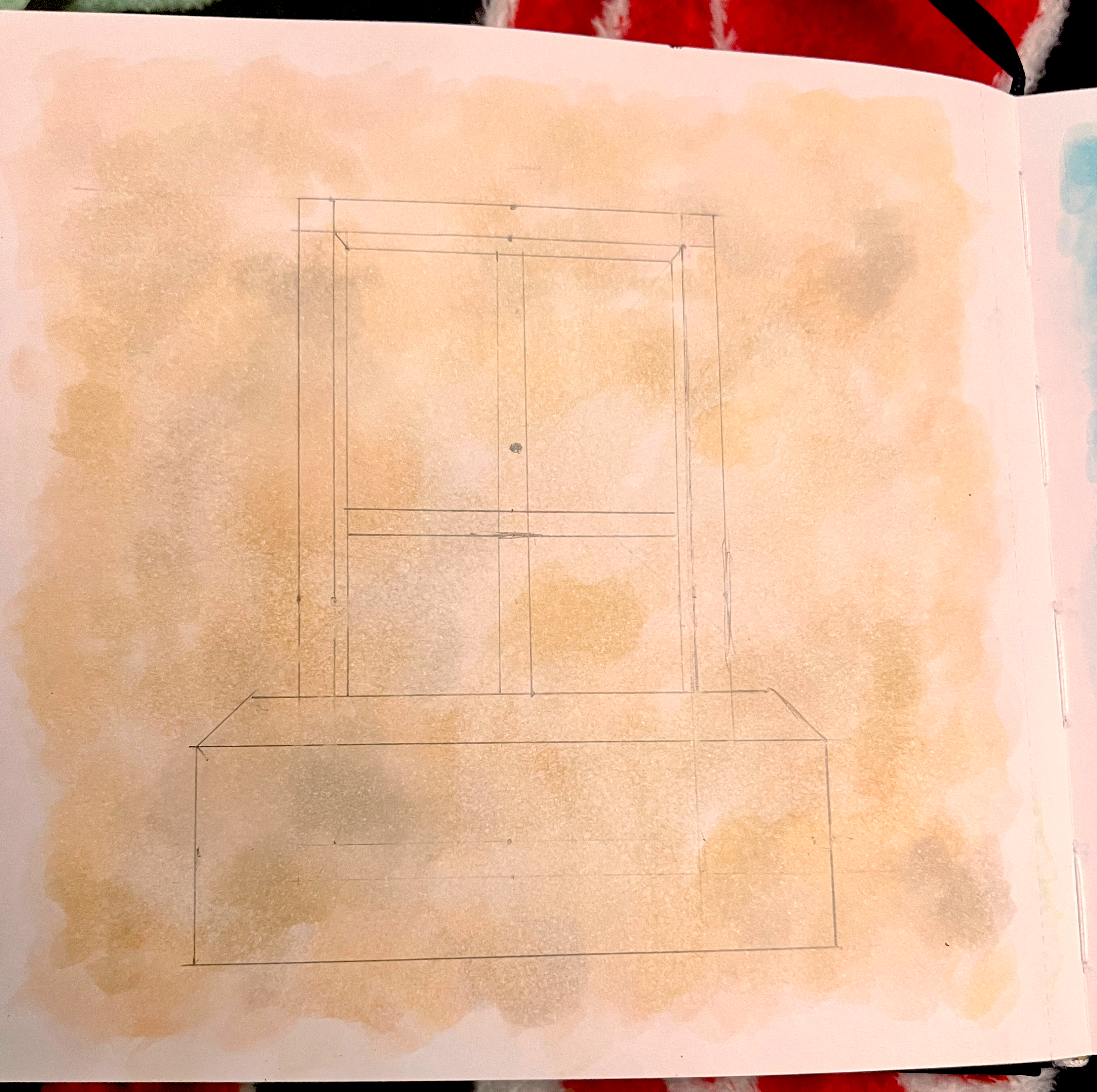
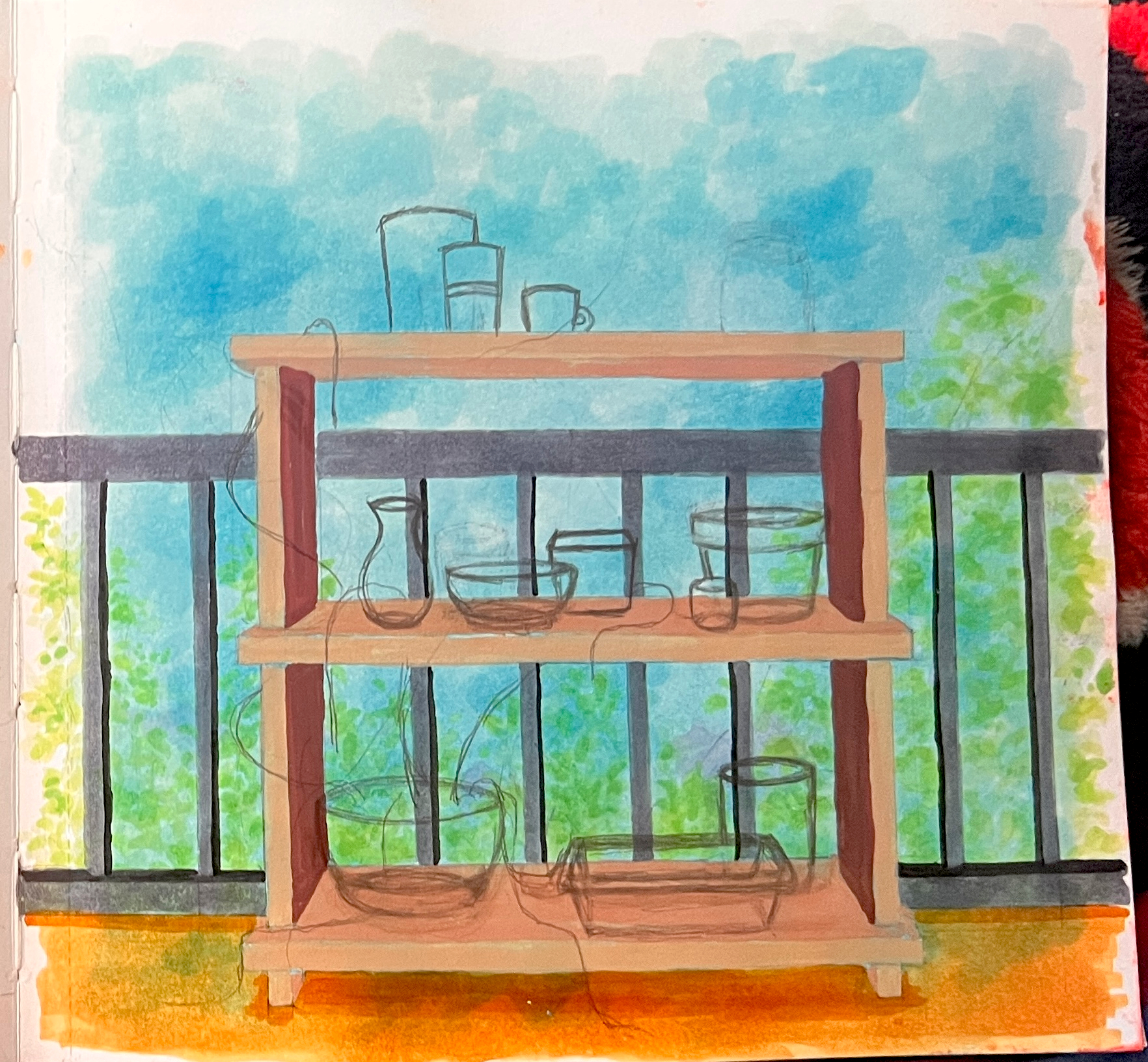
Alcohol has some interesting effects on various mediums. I have a lot of need for soft, pastel background in my artwork, and alcohol markers on an alcohol base give me this exact look and feel. It’s cloudy and ethereal.
The How
- Spray a thick layer of alcohol on the surface of your paper. You may need to spread it around to hit more of the page, if needed. Note: You can absolutely put alcohol markers first, but they will be much less cloudy and have sharper edges. However, a ton of alcohol on top will soften it.
- Take your chosen alcohol marker colors and start rubbing them on top of the alcohol. Expect some resistance as the alcohol seeps into the nib or as the alcohol sits on top, but there is a sweet spot of drying where the alcohol is just wet enough to adhere better to the paper without sitting on top. It may take a moment to get to this point, but once you are here, you have seconds before it becomes to dry. I worked in this sweet spot.
- Spray more alcohol as needed. You can also blend at this point.
- If you add too much alcohol marker, spraying alcohol will soften it.
- The paper quality and type will change how much alcohol is needed, how much is absorbed/repelled, and how much time you have to work. I’m primarily using Ohuhu Double-Sided Marker Paper, which is pretty repellant to most wet media. It’s somewhat difficult to get the markers to blend softly, and I find alcohol spray is the only way to do it.
Gallery
Alcohol Spray

The What
A spray of alcohol on top of a medium with the specific intention of adding texture. Generally created bubbles. I find this works best with a water base, like when using Bombay India Inks and Liquitex Acrylic Inks.
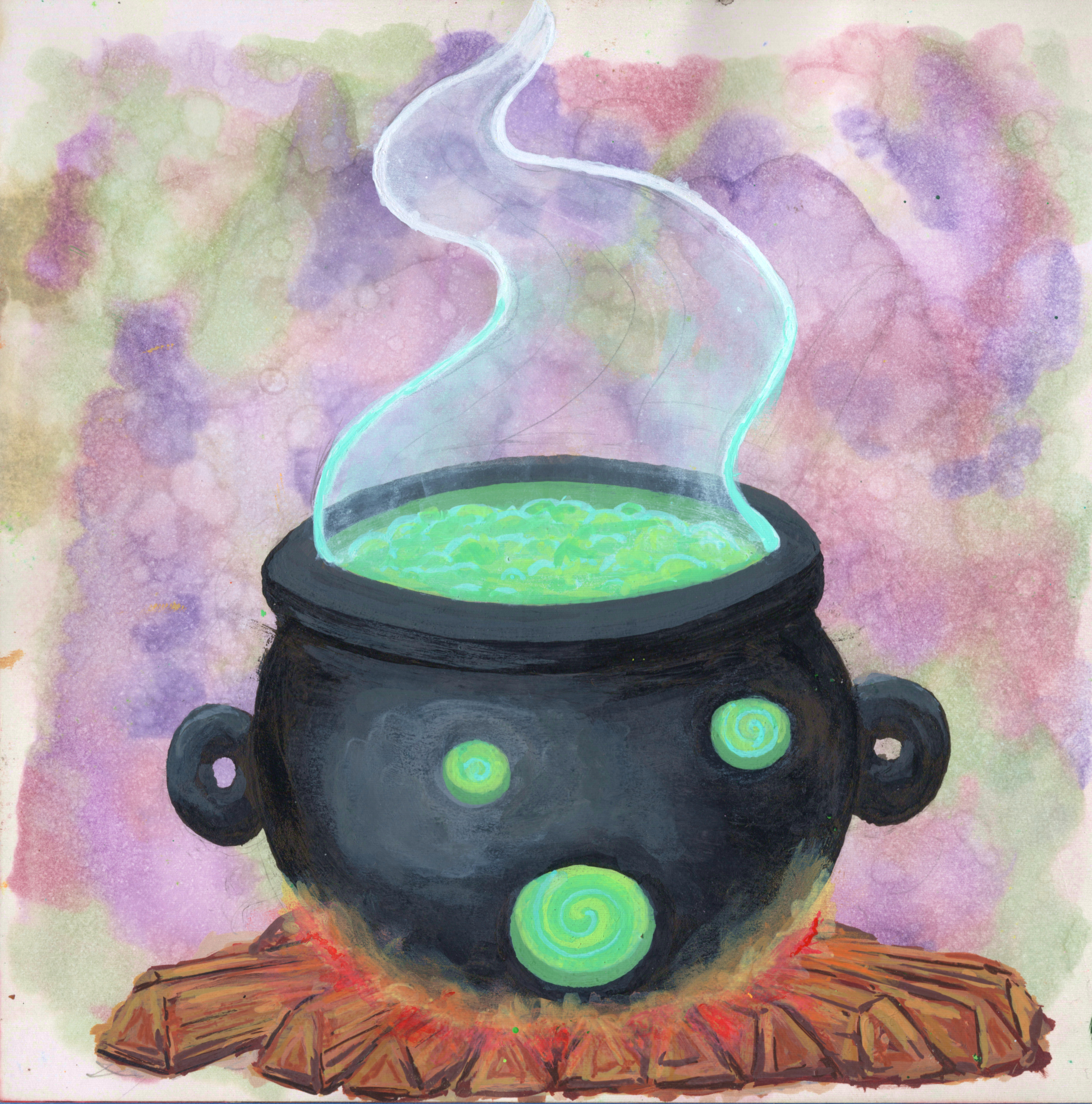
This version of the technique can be combined with an alcohol base to create texture in a soft background like in the cauldron piece. Drops with more alcohol will create larger effects.
The Why
Texture is important to any artist, so having techniques that help add it can be really helpful. It looks really cool and adds more movement.
The How
- With a spray bottle filled with alcohol, spray the top of the media.
- A spray will give a fine mist that will translate as small texture on the page. For larger bubbles and movement, you’ll need to have drops of alcohol, not just spray.